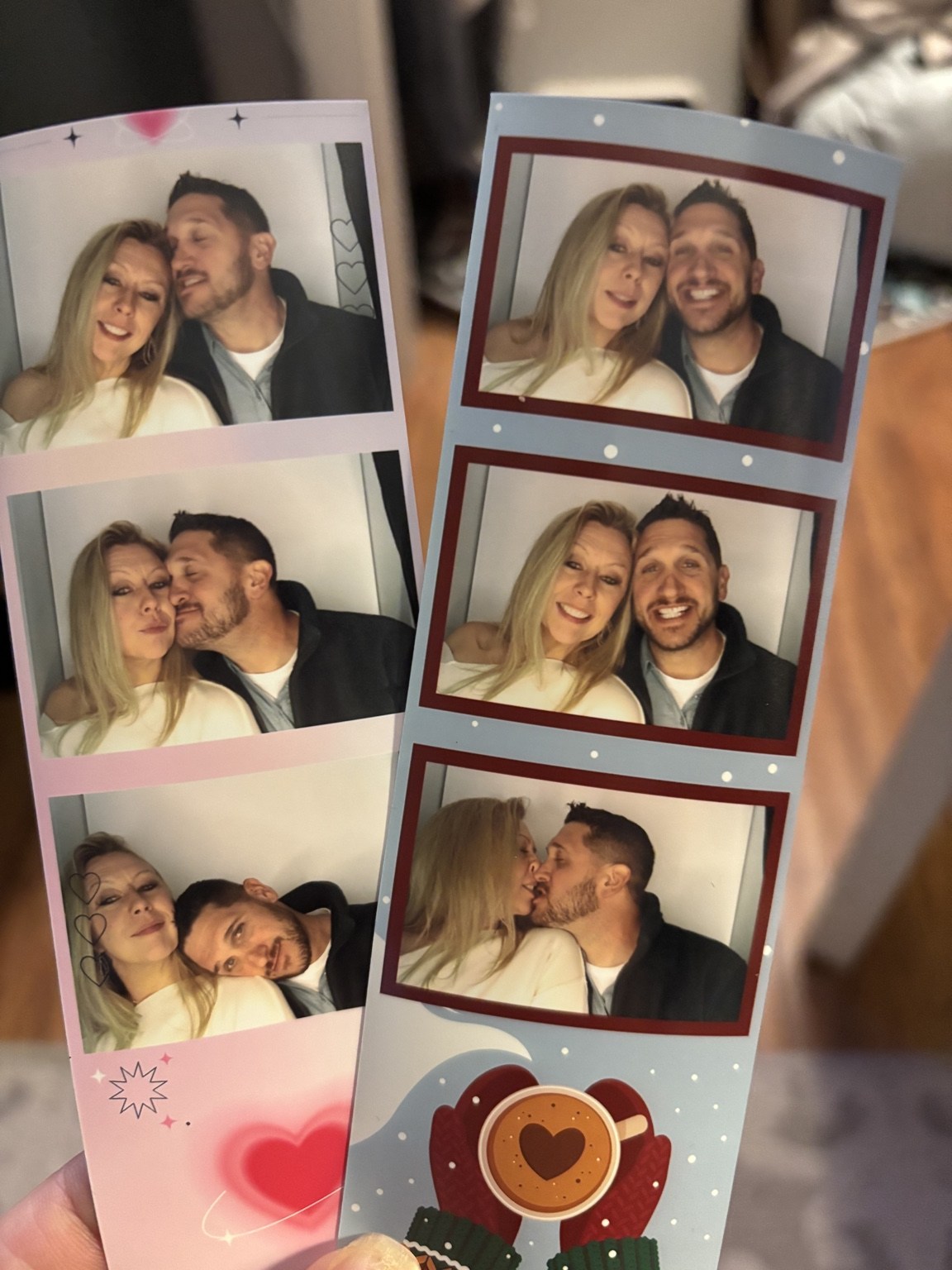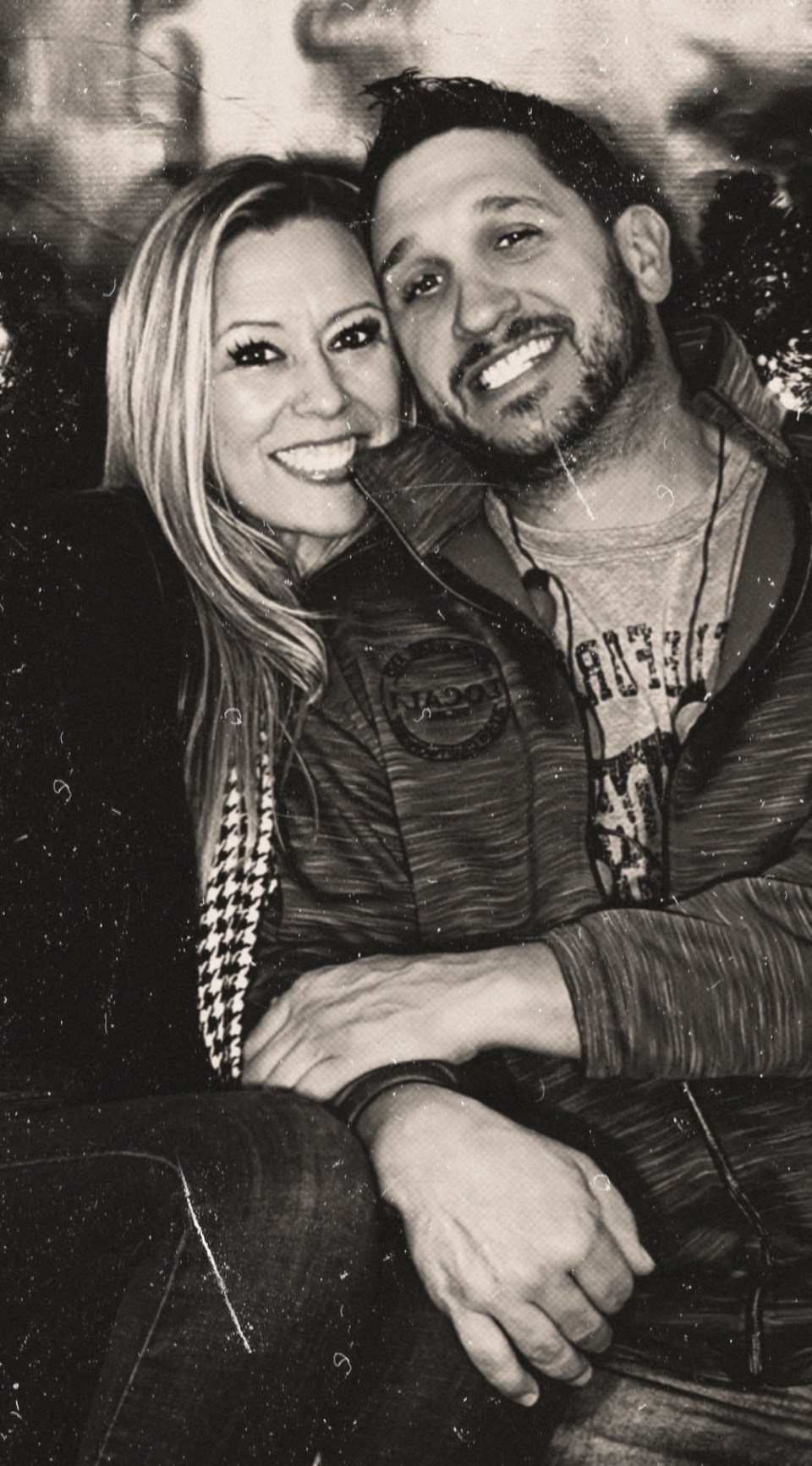
I thought I'd found the love of my life.
There was a time when I thought I'd found the love of my life.
And I don't mean that casually.
I adored this man. I admired him. I respected him. I was so profoundly in love with him that, looking back, I sometimes wonder if I'd placed him somewhere between a man and a god.
In my eyes, he could do no wrong.
He was everything I'd ever wanted in a partner. Strong but gentle. Hardworking, dependable, affectionate, thoughtful. A man who seemed to understand me without needing instructions. Someone who made me feel safe, cherished, protected, and loved in ways I'd spent a lifetime longing for.
What made finding him feel even more extraordinary was what I'd come from. Before him, I'd spent six years in a relationship marked by psychological abuse, one that had slowly worn away parts of me I barely recognized anymore.
And then he came along.
He didn't just make me feel loved. He made me feel rescued. He put me back together.
Like someone had finally reached into a place I'd been struggling to climb out of and carried me somewhere safe.
That's the story behind He Carried Me In. And perhaps that's what makes everything that followed so tragic. The man I believed had carried me out of the darkness would eventually become another reason I had to find my way out.
For once, I wasn't the one doing all the emotional heavy lifting. I didn't have to explain what love was supposed to look like. I didn't have to teach him how to make me feel important.
He just knew.
Or at least, I believed he did.
I wanted the whole world to know how much I loved him.
I've never been someone who shared every intimate detail of my personal life with the world.
But with him, I couldn't help myself.
I shared everything. Every adventure, every ordinary afternoon, every ridiculous little moment that made me smile. I wanted everyone to see the man I saw.
I bragged about him. Constantly.
His work ethic. His talent. His humor. His kindness. The way he treated me. The way he made me feel. Even the smallest things he did seemed worthy of celebrating.
I was so damn proud of him.
I didn't just love him. I believed in him.
I believed in his character, his integrity, his loyalty, and his heart. I believed the man I saw was the man he truly was.
I wrote about him publicly with a level of admiration I'd never expressed for anyone before.
And perhaps one of the most painful realizations I've had to confront is that so many of the qualities I once celebrated would eventually become the very things I questioned.
The man I described as dependable became someone I couldn't depend on.
The man who made me feel safe became the source of tremendous emotional distress.
The man I believed would protect my heart became the person who broke it.
And the man I once couldn't stop telling the world about became someone who seemingly couldn't even acknowledge my existence.
It's a devastating thing to look back at your own words, written with absolute sincerity, and barely recognize the person you were describing.
The grief of losing someone who's still alive
I don't think there's an easy way to explain this kind of heartbreak to someone who hasn't experienced it.
Because the person you're grieving isn't necessarily the person who left.
You're grieving the person you believed you knew.
The person who held you, laughed with you, made promises, became part of your daily routines, and made you feel like you'd finally found somewhere to belong.
And you're grieving the future you were so certain you'd have together.
But there's another layer to this story.
The aftermath wasn't limited to heartbreak.
There was physical destruction to my home and property. There were things left unfinished, belongings left behind, financial consequences, and a disruption to the peace and security of the home I'd worked so hard to create.
There were practical messes to clean up alongside emotional ones.
And then there was the silence.
Perhaps that's been one of the hardest parts of all.
He left me feeling as though I'd been left for dead. There was no explanation that made sense of what happened, no apology, no conversation that offered a way to understand it. Just the aftermath, the unanswered questions, and the silence.
Without answers from him, I've been left to draw my own conclusions from what I lived through. And that's part of why the grief continues—and why I keep writing.
To go from being loved so openly and intimately to feeling as though you've been erased from someone's life is a kind of emotional whiplash I still struggle to put into words.
How does someone go from making you feel like the center of their world to treating you like a stranger?
How do you reconcile the man who once made you feel so safe with the man whose absence has left you feeling so profoundly unsettled?
I wish I knew.
So I started writing.
Not because I had aspirations of becoming a musician.
Not because I had some grand artistic vision.
I started writing because my mind wouldn't stop.
I kept replaying conversations, revisiting memories, questioning what was real, wondering what I'd missed, and trying to understand how someone I loved so deeply could become someone I no longer recognized.
There were things I wanted to scream. Things I wanted to ask. Things I wanted him to understand.
And there were things I was too ashamed to admit out loud.
Like how much I still missed him.
How, despite everything, part of me still wanted him to come home.
How I could feel furious about what happened and still desperately miss the way he used to hold me.
Writing gave those contradictions somewhere to exist.
Some songs are filled with anger. Others are dripping with sarcasm. Some imagine the remorse I wish he'd expressed, or the consequences I wonder whether he'll ever face.
Others are so painfully vulnerable that writing them feels like exposing parts of myself I'd normally keep hidden.
And sometimes the songs contradict each other.
Because grief contradicts itself.
One day I can feel certain I'm better off without him. The next, I can hear a song, remember a moment, or stumble across a photograph and find myself missing him so intensely it feels like the loss just happened.
That's the truth of where these songs come from.
Velvet Vendetta is the voice of everything I couldn't say.
This music isn't an attempt to convince the world that I was perfect or that every moment of our relationship was terrible.
It wasn't.
There were beautiful moments. Enough of them that I fell deeply, completely, almost recklessly in love.
And pretending those moments never existed would be just as dishonest as pretending the pain that followed didn't happen.
Some songs revisit the love. Some confront the damage. Some are conversations that never happened. Others are imaginary glimpses into another person's thoughts, motives, or future.
They are expressions of my experience, not transcripts of events or claims to know what another person thinks.
They reflect how I felt in the moment I wrote them.
And those feelings are constantly changing.
That's what makes this music so personal. I'm not writing from the other side of grief, looking back with some polished perspective and a tidy conclusion. I'm writing while I'm still living it.
I'm still working through it.
I wish I could tell you that creating this music has brought me complete closure.
It hasn't.
There are days when I feel strong, clearheaded, productive, and genuinely happy.
There are days when I'm angry at him.
Days when I'm angry at myself for believing so completely.
Days when I miss a man I know I can't simply separate from everything that happened.
And days when all of those feelings exist at once.
I don't know exactly when this grief will end, or whether it will ever make perfect sense.
But I do know that writing helps me process what I haven't yet been able to put to rest.
It gives a voice to the thoughts that otherwise stay trapped inside my head.
Sometimes that voice is soft and heartbroken.
Sometimes she's sarcastic, furious, and unapologetic.
Her name is Velvet Vendetta.
Why I'm sharing this story
Even when they were left unread.
I know I'm not the only person who's ever loved someone so completely that losing them felt like losing a piece of themselves.
I'm not the only person who's had to question whether the person they fell in love with was ever quite who they believed them to be.
And I'm certainly not the only person who's ever found themselves simultaneously missing someone and resenting them.
So if you listen to these songs and hear contradictions, that's because they're there.
If one song sounds like I hate him and the next sounds like I'd give anything to hear his voice, that's because both feelings have been real.
This isn't a collection of songs about a man I no longer love.
It's a collection of songs about a love that changed me, the experiences that followed, and the grief I'm still trying to understand.
I don't know how the story ends.
I'm still living it.
And for now, this is how I'm telling it.